Bingo rules explained properly matter more than flashy welcome banners when you’re chasing regular sessions. In my years handling VIP retention across Japanese and French markets, I’ve seen players lose interest the moment the pace feels wrong, so a clear structure keeps them returning. Some casinos are so large that staff use golf carts to get around, and that scale can feel overwhelming when you just want a quiet arvo of cards. If you’re after something with room to breathe, this [own; anchor=”https://wanted-dead-or-a-wild-demo-au.com/”] demo space is worth a look before you commit any cash.
How the Numbers Move Across Australian Cards
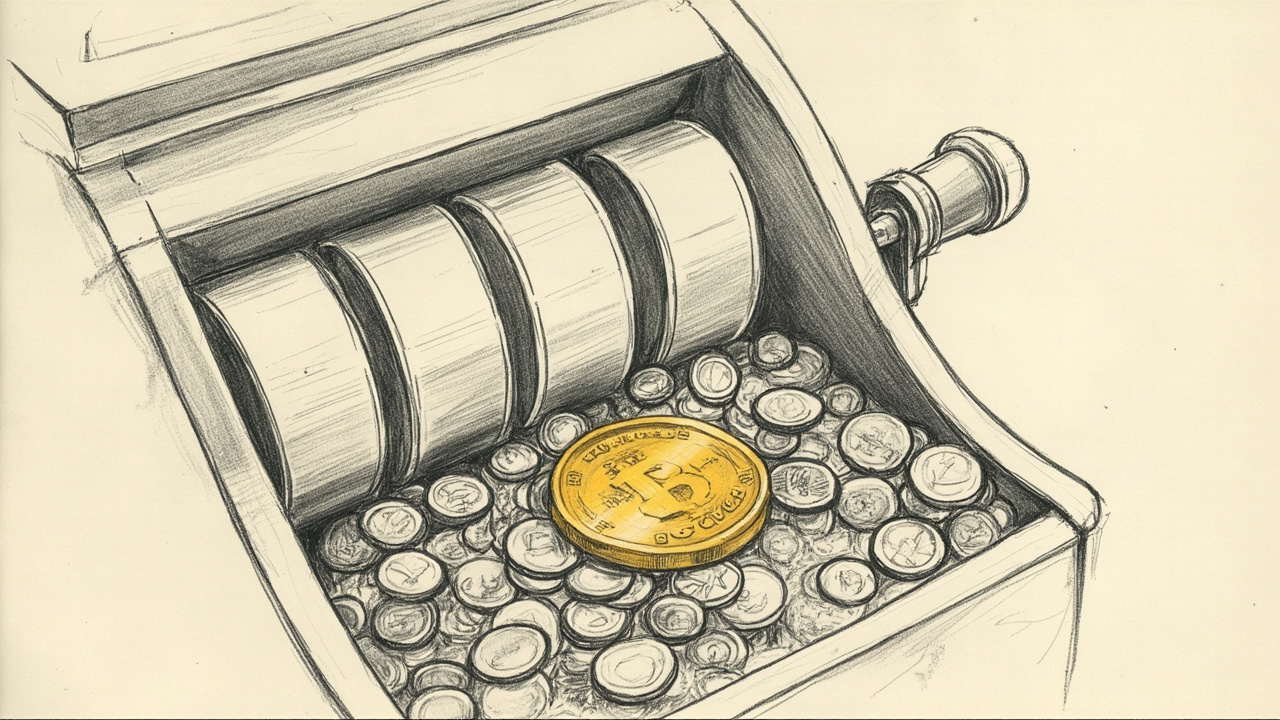
A solid run starts with knowing exactly how a caller pushes numbers and how your ticket reacts. Standard Australian halls and most online rooms use 90-ball cards with three rows and fifteen numbers, while 75-ball grids sit in a different lane altogether. When I compare retention flows in Mandarin-speaking rooms, the difference between a slow caller and a rushed one changes everything about whether a player stays for the second session. You mark a single line for a straight win, two lines usually pay a mid-tier prize, and a full house closes the round with the biggest payout on the card. Some rooms let you toggle auto-daub so the software marks wins while you keep chatting, which suits busy evenings when you’re juggling work and a quick session. The caller’s pace matters more than the graphics, because a steady rhythm gives you time to spot patterns without feeling rushed. If a room pushes numbers too fast, you’ll miss valid marks and that frustration builds quietly until you log off for good.
Bonus Mechanics That Actually Keep You Playing
Welcome offers get the headlines, but recurring promos and loyalty tiers are what keep a room relevant after the first deposit. I’ve tracked VIP flows in English and French markets where cashback on marked losses and weekly tournament entries mattered far more than a one-off match bonus. A sensible bingo setup treats bonuses as a steady hand, not a fireworks display, so you can plan your weekly spend without chasing a sudden spike. Reload promos that drop on set days, small cashback on marked cards, and entry tickets for scheduled tournaments all feed a habit that feels manageable rather than forced. Payment flows should match that rhythm too, with AUD clearing through familiar local methods and clear limits on how fast withdrawals move. When a room ties its loyalty points to real tournament seats or modest cashback rather than vague status bars, players notice the difference in their second and third months. That ongoing value is what separates a room you visit once from one you return to after a long week.
| Feature | What It Looks Like | Why It Matters for Repeat Play |
|---|---|---|
| Card format | 90-ball three-row tickets, optional 75-ball grids | Sets the pace and prize structure you’ll see every round |
| Auto-daub | Toggle to mark wins automatically | Keeps sessions manageable when you’re multitasking |
| Reload promos | Set-day bonuses rather than one-off spikes | Gives you a reason to log in beyond the welcome offer |
| Cashback | Small percentage on marked losses | Softens a rough session without distorting the game |
| Tournaments | Scheduled entries with clear prize pools | Adds competition without forcing big stakes |
| Payments | AUD clearing through familiar local methods | Keeps deposits and withdrawals predictable |
| Loyalty tier | Points tied to tournament seats and modest perks | Rewards steady play instead of vague status bars |
Mobile Play and Support When You’re On the Move
A room that works properly on a phone is worth more than one with a flashy app that stutters halfway through a round. I’ve watched French-market players drop a site the moment a lobby takes too long to load, because the interruption breaks the rhythm they came for. A clean mobile layout keeps the card grid readable, the caller audio clear, and the balance visible without digging through menus. Support should match that same practical tone, with real humans reachable by chat or phone when a ticket doesn’t mark correctly or a payout timing looks odd. When I compare operator priorities across markets, the rooms that survive are the ones that treat support as a retention tool, not a cost centre. A quick response on a slow arvo can turn a frustrated player into someone who books another session later that week. The same goes for registration, which should be straightforward enough to finish in a few minutes without demanding details you don’t actually need for a standard bingo account.
That same expectation now shapes how we judge every demo and prototype, because a polished presentation means nothing if the underlying flow collapses under real usage. Developers who prioritize responsive architecture over decorative overlays earn the patience players actually bring to the table. You can see this philosophy put to the test in the latest build at https://wanted-dead-or-a-wild-demo-au.com/.
Wollongong Rooms and the Pace That Keeps You In
Local feel matters more than most operators admit, and a room that recognises its Australian audience tends to keep people around longer. Down near Wollongong, players often want a caller who speaks at a sensible speed, a lobby that doesn’t crowd the screen, and prizes that feel real rather than inflated for show. I’ve seen Japanese VIP programmes succeed by keeping the pace steady and the rewards predictable, and that same thinking works for an Australian crowd that values a quiet session over constant noise. A room that threads local timing into its tournament schedule and keeps its support team aware of Australian hours shows it’s built for the people actually sitting at the cards. When the pace, the prizes, and the support all line up, you’re not chasing a novelty – you’re sitting in a room that fits how you want to play.

If you’re weighing whether a room is worth your time after the first welcome offer, look at the pace of the caller, the shape of the recurring promos, and how the support team handles a slow evening. Bingo rules explained clearly give you a fair shot at a session that feels steady rather than rushed, and that’s usually what keeps players booking another round after a long week.