I’ve watched more punters blow a stack on the one-armed bandits than I care to recall, and the pattern is always the same: no plan, no limit, just chasing a buzz. This spin budget allocation plan guide is built from twenty years on the floor, watching how money actually moves through a casino and where the discipline falls apart. It’s not about winning; it’s about keeping your head and your wallet intact when the lights go dim and the reels start spinning.
Setting Your Spend Before the First Spin
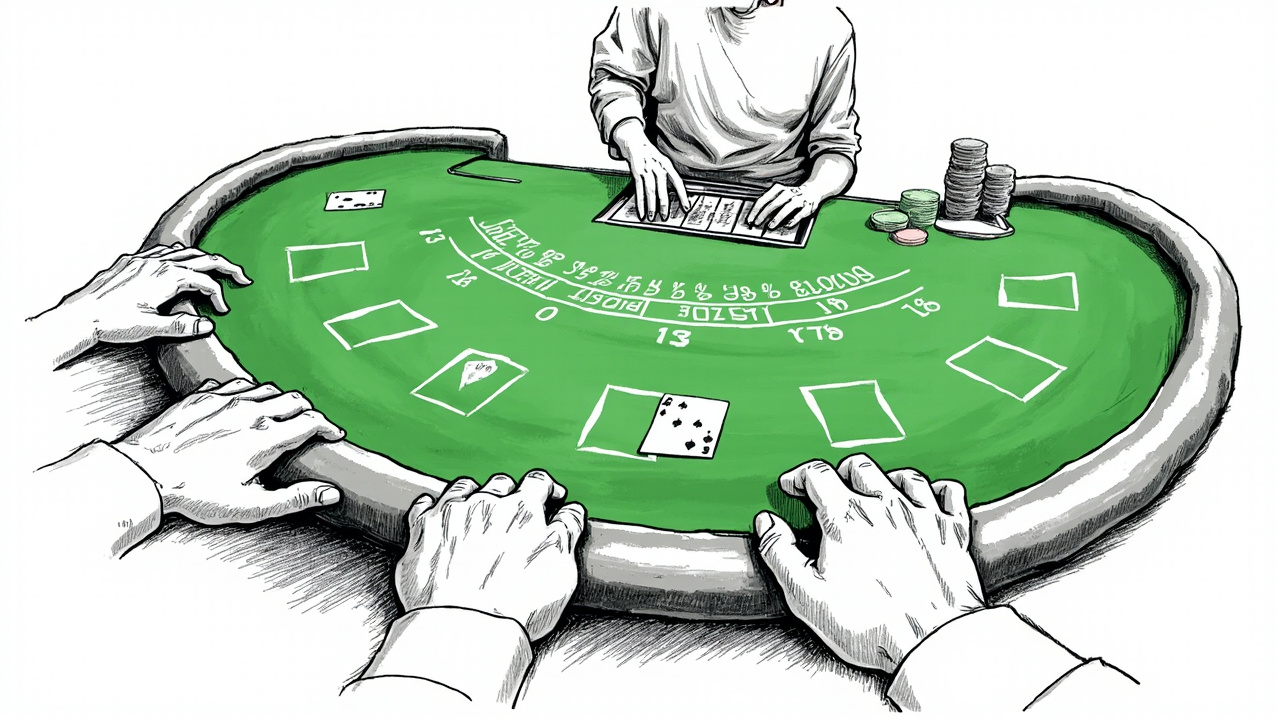
The first rule on any floor I’ve supervised is simple: decide the loss before you touch the buttons. A proper spin budget allocation plan guide starts with a hard number you’re willing to part with, not a hope of what you might win back. I’ve seen blokes in Brisbane casinos turn a fifty into a five-hundred loss because they treated the machine like a salary top-up rather than paid entertainment. The trick is to treat your budget like a ticket price for the arvo, not an investment vehicle.
When you’re sizing up your session, think about the game mix and how it eats into your bankroll. Slots with higher volatility will chew through a budget faster than low-variance pokies, and live dealer tables have a different rhythm entirely. A veteran table-games supervisor knows that a $500 session on a high-variance slot is a different beast to a $500 session spread across blackjack and baccarat. The table below shows how different game types tend to draw down a budget, based on typical return-to-player ranges and bet sizes you’ll see on a standard Australian floor.
| Game Type | Typical Bet Range | Budget Burn Rate | Best Fit For |
|---|---|---|---|
| High-volatility slots | $1-$10 per spin | Fast, uneven | Short, sharp sessions |
| Low-volatility pokies | $0.50-$5 per spin | Steady, slower | Longer play time |
| Live dealer tables | $5-$50 per hand | Moderate, pace-dependent | Players who like structure |
| RNG table games | $1-$25 per round | Varies with strategy | Casual table players |
If you’re after a quick read on how a small deposit can still fit a clear budget, the piece on deposit five euros and play slots with a clear budget walks through that mindset in a different market context. The principle carries across borders: a small entry point only works if you’ve already decided what you’re willing to lose before the first spin lands.
Allocating the Budget Across Sessions and Games
A spin budget allocation plan guide only works if you break the total into chunks, because a single lump sum disappears faster than a cold pie in a busy servo. On the floor, I’d watch players blow their whole stack in twenty minutes because they never split the session into smaller targets. The sensible approach is to carve your total into per-session limits and per-game limits, so a bad run on one pokies bank doesn’t torch the whole day.
Think of it like dealing a shoe of cards: you don’t throw the whole deck into one hand. I’ve run dealer development sessions where we taught new croupiers to pace the game, and the same discipline applies to your own play. If you’ve set aside $200 for the day, splitting it into four $50 sessions gives you a natural stop point and a chance to reset. Within each session, decide which games get what portion of that chunk, because a high-variance slot deserves a smaller slice than a steadier low-variance pokie if you want to stay in the game longer.
Here’s a short list of checks I’d run before allocating any chunk of the budget:
- Confirm the total loss limit for the day, not the win target.Deposit 5 euros and play slots
- Split the total into per-session amounts before you sit down.
- Assign a smaller slice to high-variance slots and a larger slice to steadier games if play time matters.
- Set a hard stop for each session, win or lose, and walk away when it hits.
Matilda Parker, Customer Experience Lead at Capital Territory Gaming abigcandy100chip.com Forum, puts it plainly: “Players who pre-allocate their budget by session tend to report a better experience, because they’re not making decisions while emotionally invested in a streak.” That’s the kind of discipline that separates a planned session from a tilt-driven blowout.
Keeping that kind of discipline front of mind is especially important when navigating the broader online gaming landscape, where resources like https://casino-rocket-complaints.com/ can help players quickly identify platforms that prioritize transparency and fair play. By pairing clear session limits with well-vetted operators, enthusiasts can maintain control and avoid the frustration that often follows impulsive decisions. Ultimately, the most rewarding experiences come from treating every visit as a structured activity rather than a chase for quick recovery.
Matching the Plan to Your Play Style
Not every punter fits the same spin budget allocation plan guide, because a live dealer enthusiast in Brisbane will have a different rhythm to someone spinning pokies alone on a mobile device. The key is to match the allocation to how you actually play, not to some generic template. If you prefer table games with a pace you can read, your budget should reflect longer sessions with smaller per-round allocations. If you’re drawn to slots for the quick feedback, a smaller total with tighter per-spin limits is the only way to keep it sane.
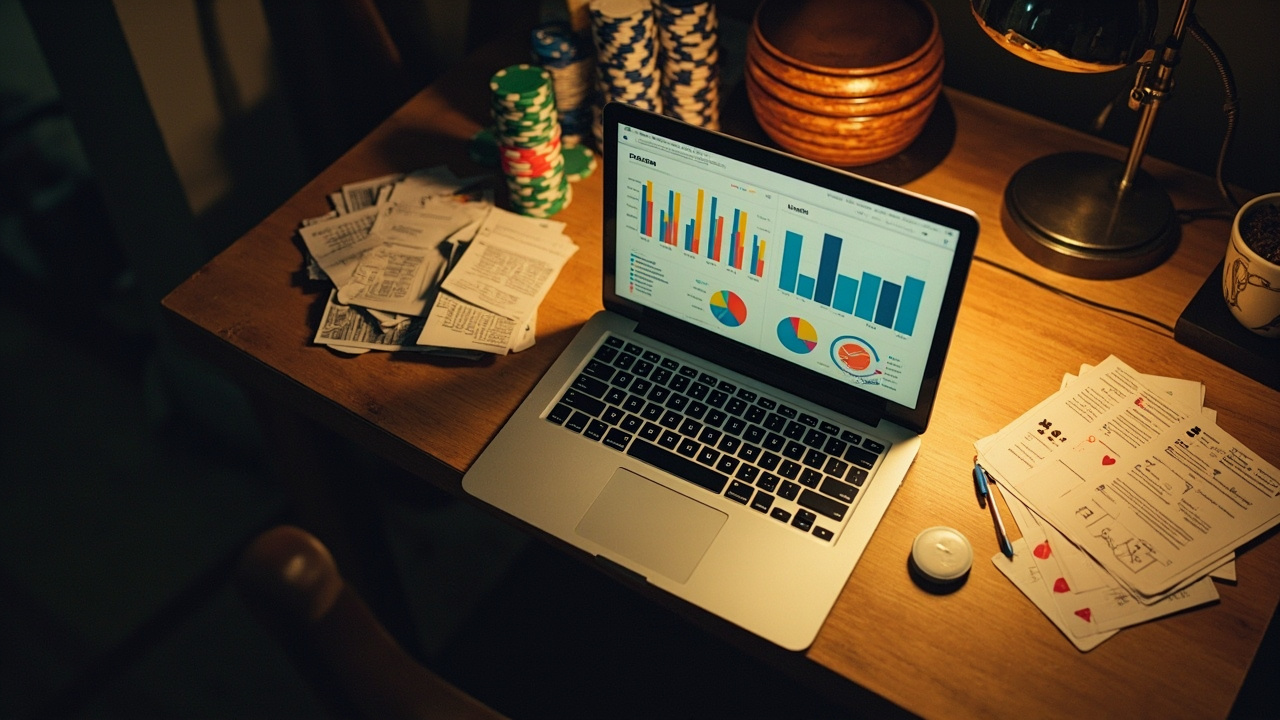
Ella Wright, Managing Partner at Capital Territory Gaming Forum, notes that “the players who last longest on the floor are the ones who treat their budget as a fixed cost, not a rolling target they keep topping up.” That mindset matters because chasing a loss by adding another chunk is how a planned session turns into a regrettable afternoon. Eliza Murphy, Compliance Director at Eucalypt Digital Advisory, adds that “clear budget allocation is one of the simplest responsible gaming habits, and it works best when it’s set before the first wager, not during a losing run.”
If you’re playing on mobile, the same rules apply, but the temptation to top up is closer to your thumb. A spin budget allocation plan guide should account for that by setting a hard ceiling on the device itself, so a late-night impulse doesn’t quietly blow the day’s limit. The game lobby matters too: if the platform pushes high-volatility titles front and centre, you’ll need a tighter allocation to compensate for the faster draw-down.
A good plan also leaves room for the reality of the floor: sometimes a session goes sideways fast, and the only winning move is to stop. I’ve watched seasoned punters walk away from a cold streak because they’d already hit their pre-set limit, and that discipline is worth more than any near-miss on the reels. The point of this spin budget allocation plan guide is to keep you in control of the money, not to convince you the next spin is due.

The best session is the one you planned before you started, and the best budget is the one you actually stick to when the reels stop and the table goes quiet.